By: Sid Peddinti
Tax & Nonprofit Lawyer, AI Innovator, and Nonprofit Architect
Friends,
I’ve dedicated my career to understanding the intricate intersections of law, finance, technology, and business structuring. Professional athletes, by the very nature of their demanding careers, face a unique and often daunting set of financial challenges.
My insights in this guide will explore these hurdles and, more critically, outline robust strategies for building and preserving enduring wealth, ensuring a financially secure future well beyond their playing days, even in the dynamic economic landscape of 2026.
The Unique Financial Landscape for Elite Athletes
In 2026, the world of professional sports is more lucrative than ever, with athletes often commanding multi-million dollar contracts. Yet, despite these eye-watering figures, the statistics on financial distress among retired athletes remain alarmingly high. This paradox is something I frequently address in my advisory role, stemming from a perfect storm of factors unique to this high-pressure profession.
1. The Double-Edged Sword of Sudden Wealth
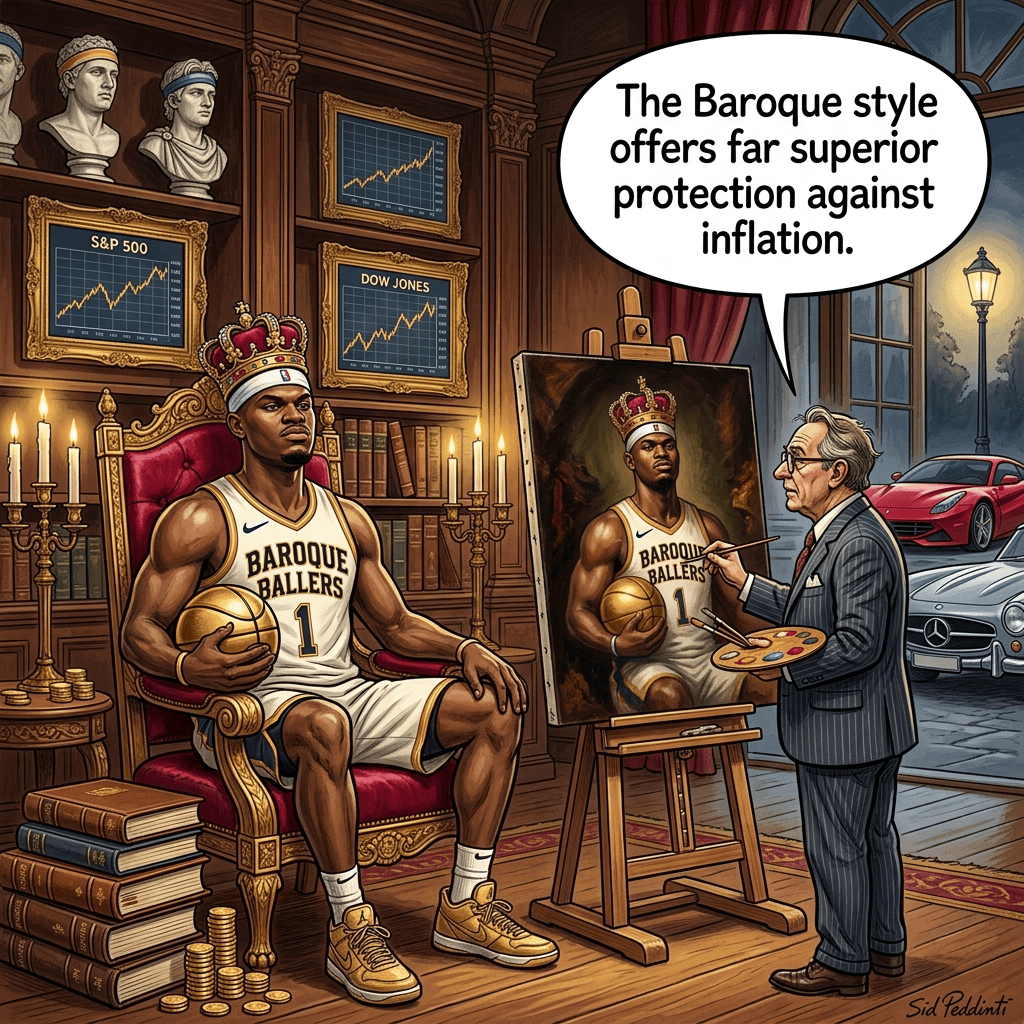
One of the primary challenges for professional athletes is the sudden, often astronomical, influx of wealth. For many, this represents a scale of money they’ve never encountered, often without the foundational financial literacy or experience to manage it effectively. While the immediate impulse might be to enjoy the fruits of their labor, without strategic planning, this wealth can evaporate almost as quickly as it arrived. I’ve observed that without a structured financial framework in place, new wealth can quickly become a liability rather than an asset for long-term security.
2. The Fleeting Nature of Athletic Careers
Unlike most professions where careers span several decades, professional sports careers are notoriously short. An average NFL career, for instance, is just over three years, while NBA careers are slightly longer. Even for those who enjoy extended runs, injuries, age, and competitive pressures can bring an abrupt end to their playing days. This finite window means that an athlete must not only earn sufficient capital but also strategically invest and manage it to last for potentially 50-60 years of post-career life. From my legal and business structuring perspective, this necessitates an aggressive, yet prudent, approach to wealth accumulation and protection during peak earning years.
3 Common Pitfalls and How to Avoid Them
My work with high-net-worth individuals, including athletes, often involves dissecting the common missteps that lead to financial peril. Understanding these pitfalls is the first step toward building resilience and a robust financial future.
Battling Lifestyle Inflation and Unwise Expenditures
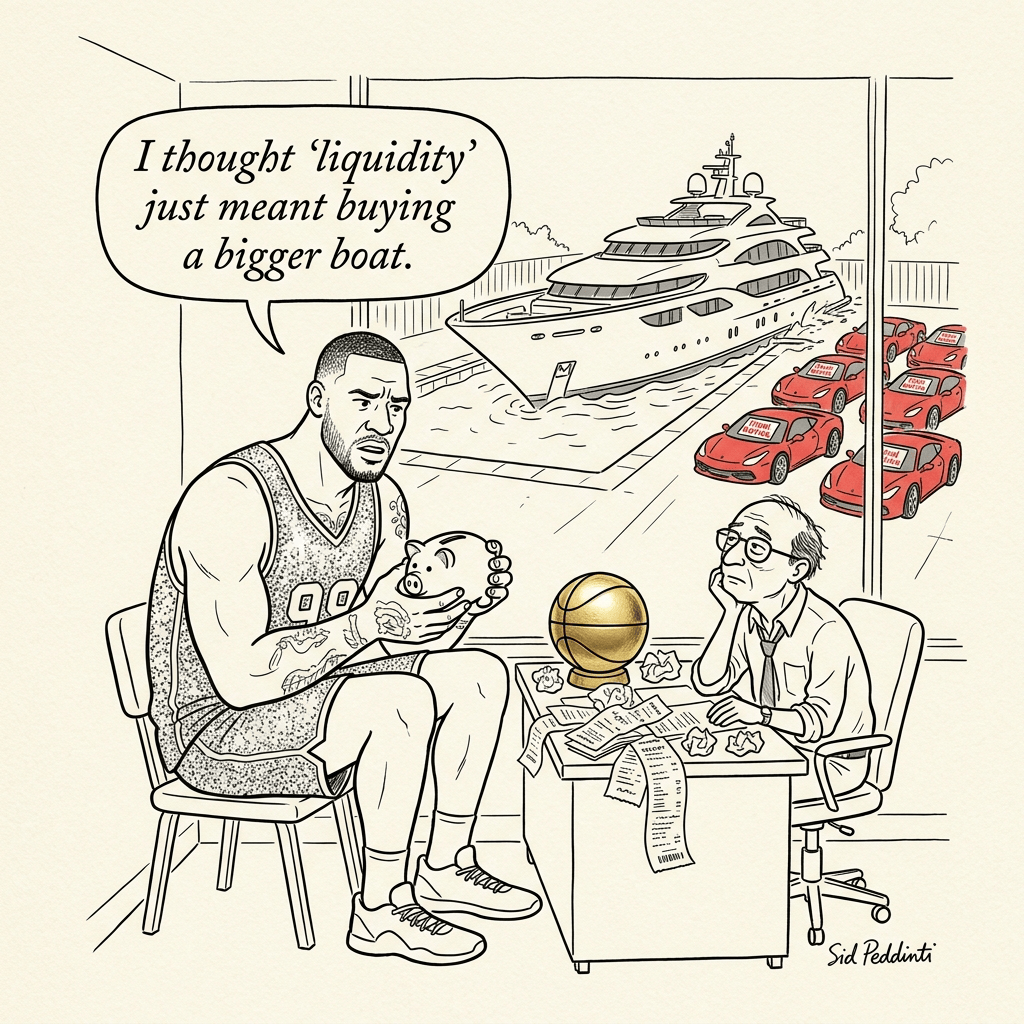
The allure of an extravagant lifestyle is powerful, particularly when surrounded by peers and societal expectations that equate wealth with conspicuous consumption. Private jets, luxury cars, sprawling mansions, and designer wardrobes can quickly deplete even the most substantial bank accounts. This phenomenon, known as lifestyle inflation, can be particularly insidious for athletes who feel pressure to maintain a certain image. As I often counsel my clients, the focus must shift from immediate gratification to long-term financial independence. Distinguishing between needs, wants, and strategic investments is paramount.
The Perils of Untrustworthy Advisors and Peer Pressure
Athletes are often surrounded by a multitude of individuals – agents, family members, friends, and “advisors” – some with the best intentions, others with questionable motives. The lack of financial sophistication can make athletes vulnerable to poor advice, scams, or investments that are not aligned with their long-term interests. Furthermore, the pressure to support extended family and friends can lead to significant financial drains, sometimes without clear boundaries or legal structures in place to manage these obligations responsibly. My legal expertise emphasizes the importance of due diligence and legally binding agreements when delegating financial responsibilities or providing financial support.
The Critical Gap in Financial Literacy
Most athletes dedicate their formative years to honing their athletic skills, often at the expense of developing practical financial acumen. The educational systems rarely provide comprehensive financial literacy training, leaving many unprepared for the complexities of managing multi-million dollar incomes, investments, and tax obligations. This gap is a critical vulnerability that I address head-on, advocating for early and continuous financial education tailored to their unique circumstances. Understanding basic investment principles, risk management, and the power of compounding interest is not merely beneficial; it’s essential.
Crafting a Robust Financial Playbook: 6 Strategies for Lasting Wealth
Building enduring wealth as a professional athlete in 2026 requires more than just high earnings; it demands a sophisticated, multi-faceted strategy. This is where the integration of legal, financial, and business acumen becomes indispensable.

1. Assembling Your A-Team: Legal, Financial, and Business Advisory
Just as an athlete relies on a team of coaches, trainers, and specialists to optimize performance, so too must they assemble an elite team of trusted professional advisors. This team should include a certified financial planner (CFP), an experienced attorney specializing in wealth management and contract law, a tax professional, and potentially a business manager or family office. The synergy among these experts is crucial for comprehensive planning, ensuring all financial decisions are legally sound, tax-efficient, and aligned with long-term goals. From my vantage point, the legal advisor plays a pivotal role in reviewing all contracts, establishing protective trusts or entities, and ensuring compliance.
2. Strategic Income Management and Investment Diversification
Managing a fluctuating, high-income stream requires discipline. A strategic budget that allocates funds for living expenses, savings, investments, and emergency reserves is non-negotiable. Beyond immediate needs, a diversified investment portfolio is critical. This means not putting all eggs in one basket – exploring a mix of traditional assets like stocks, bonds, and real estate, alongside alternative investments that align with their risk tolerance and long-term objectives. The goal, as I often explain, is to build a portfolio that can weather market volatility and generate passive income for decades, carefully considering tax implications for each asset class without delving into specific tax code details.
3. Establishing Sound Business and Asset Protection Structures
This is an area where my legal and business structuring expertise truly comes to the forefront. Establishing appropriate legal entities, such as limited liability companies (LLCs) or trusts, can offer significant advantages for asset protection, estate planning, and even managing endorsement deals. These structures can shield personal assets from potential liabilities, facilitate seamless wealth transfer, and provide a framework for managing business ventures outside of sports. Proactive establishment of these structures is far more effective than reactive measures when issues arise.
4. Proactive Post-Career Planning and Personal Brand Monetization
The transition away from professional sports can be challenging, both emotionally and financially. A robust financial plan must include a detailed post-career strategy. This could involve investing in education or vocational training for a second career, developing entrepreneurial ventures, or leveraging their existing personal brand and network for speaking engagements, media roles, or business partnerships. Many athletes possess significant personal brand equity that, with the right legal and business strategy, can be monetized into a sustainable income stream long after retirement. In 2026, AI-driven analytics can even help identify lucrative brand extension opportunities and optimize engagement strategies.
5. Leveraging Technology and AI for Informed Decision-Making
In the current technological landscape of 2026, I strongly advocate for integrating advanced tools into financial planning. AI-powered platforms can provide sophisticated risk analysis, optimize investment portfolios based on predictive analytics, and automate aspects of financial management, freeing up time for athletes to focus on their primary profession. These tools, when used in conjunction with expert human advisors, offer an unparalleled edge in navigating complex financial markets and making data-driven decisions for wealth preservation and growth.
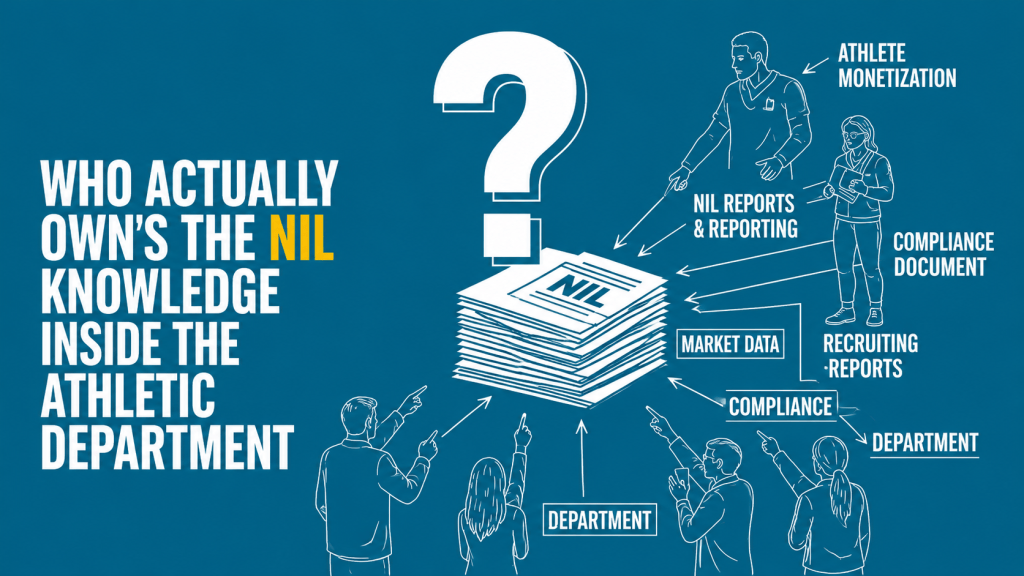
Below is an example of a proprietary AI tool that we developed to help our clients, high-income earners and HNW families, as well as their advisory teams, visualize the “big picture”, while spotting mismatched entities, terms, or strategies that can dilute your wealth later down the line.
6. The Imperative of Early Engagement
Perhaps the most critical piece of advice I can offer is the importance of early engagement. The moment a professional contract is signed, the financial planning should begin. Procrastination is the enemy of wealth building, particularly given the short earning window. Establishing sound habits, legal structures, and advisory relationships from the outset can prevent a cascade of future financial woes and lay a solid foundation for lifelong prosperity. It’s about building a legacy, not just making a living.
Conclusion
The journey of a professional athlete is extraordinary, marked by immense talent, dedication, and often, significant financial reward. However, without a comprehensive, legally sound, and strategically planned approach to wealth management, that reward can prove fleeting.
I firmly believe that by understanding the unique challenges, avoiding common pitfalls, and implementing a robust financial playbook supported by an elite advisory team and modern technology, professional athletes can not only enjoy their success today but also secure a legacy of financial independence for generations to come. The goal is not just to win on the field, but to win the far longer game of life.
Thanks for reading. Share your thought in the comments below.
~ Sid Peddinti, Esq.
Lawyer. AI Innovator. Family Office Architect. Legal Satirist.